Heel Pain
Heel pain is a common problem that can affect walking, exercise, work, and day-to-day comfort. While plantar fasciitis is one of the most common causes of heel pain, it is not the only one. Pain can also come from the Achilles tendon, heel fat pad, nerves, or, in children, the growth plate. This page gives you a broad overview of heel pain, its common causes, and when to seek podiatry care.
What is heel pain? (Quick answer)
Heel pain is discomfort felt under or behind the heel, usually caused by strain, inflammation, or pressure on the tissues of the foot. The most common cause is plantar fasciitis, but other structures such as the Achilles tendon, heel fat pad, or nerves can also be involved.
Heel pain is typically worse:
- first thing in the morning
- after rest
- during or after long periods on your feet
Most cases improve with the right footwear, activity modification, and targeted treatment.
Definition
Heel pain can come from different structures around the heel, not just one area. In some people, symptoms come from the plantar fascia where it attaches under the heel. In others, pain may involve the Achilles tendon, the heel fat pad, nearby nerves, or, in children, the growth plate. Understanding which structure is involved helps guide the most appropriate treatment and recovery plan.
Typical Symptoms
- First-step pain in the morning or after sitting
- Aching or sharp pain under the heel or at the back of the heel
- Tight calves and reduced ankle flexibility
- Pain that eases with gentle movement, then worsens after activity
When should you see a podiatrist for heel pain?
You should consider seeing a podiatrist if:
- heel pain lasts longer than 1 to 2 weeks
- pain is severe or getting worse
- you are limping or changing the way you walk
- the pain keeps returning
- home care is not improving symptoms
Early assessment can help identify the cause of heel pain and guide the most appropriate treatment.
Common causes of heel pain
- Plantar fasciitis: one of the most common causes of pain under the heel, especially first-step pain in the morning.
- Achilles-related heel pain: pain at the back of the heel linked to the Achilles tendon.
- Heel spur: commonly discussed with plantar heel pain, though the pain may actually come from nearby soft tissues rather than the spur itself.
- Nerve irritation: burning, tingling, or radiating pain around the heel.
- Heel pain in children: often related to the growth plate during active growth phases.
Plantar fasciitis is a common cause of heel pain
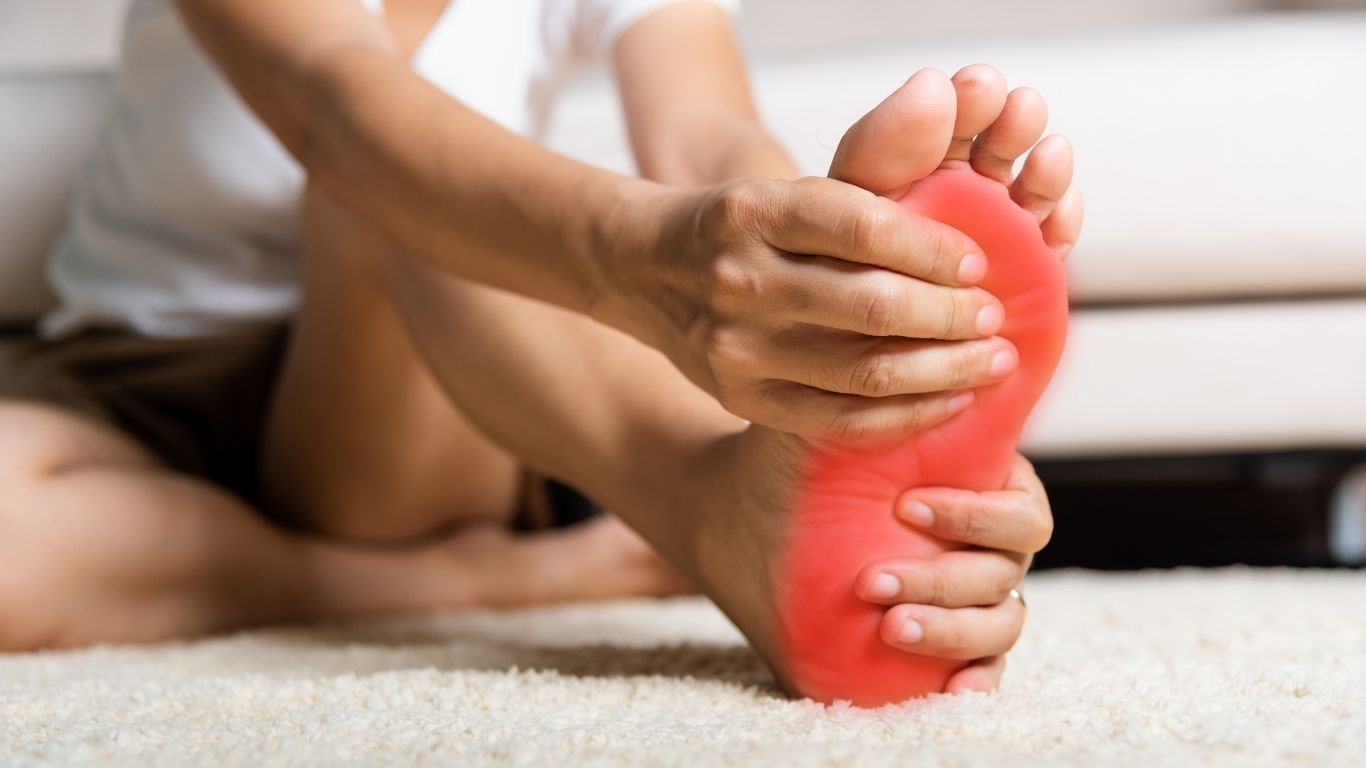
Plantar fasciitis happens when the plantar fascia — the strong band of tissue under the foot — becomes irritated where it attaches to the heel. It often causes pain with the first few steps in the morning or after rest. If your symptoms sound like this, you can read more on our plantar fasciitis page.
Who is affected?
Activities that involve repeated impact or prolonged loading — including running, walking on hard surfaces, gym work, and sports with running or jumping — can all place stress on the heel and contribute to ongoing pain.
- Walkers, runners, and people on hard floors for long shifts
- Those with tight calves, flat feet, or high arches
- People who recently changed footwear or rapidly increased training
- Children in growth spurts may get heel pain at the growth plate
- Tradespeople spending long shifts in heavy boots on concrete or hard ground — heel pain is one of the most common problems in this group, and occupational factors often play a significant role in both how it develops and how it is managed. See our guide to foot pain for tradies for more on this, or visit our broader foot pain guide for an overview of how occupation and daily load connect to common foot pain conditions.
- People with diabetes, where heel pain or skin changes around the heel may be part of a broader foot health picture worth assessing through a diabetes foot assessment
Risks if ignored
- Persistent pain limiting walking and exercise
- Compensation patterns leading to knee, hip, or back discomfort
- Longer recovery time and recurrent flare-ups
Prevention
- Gradual training loads; avoid doing too much too soon
- Supportive footwear with adequate cushioning and heel stability
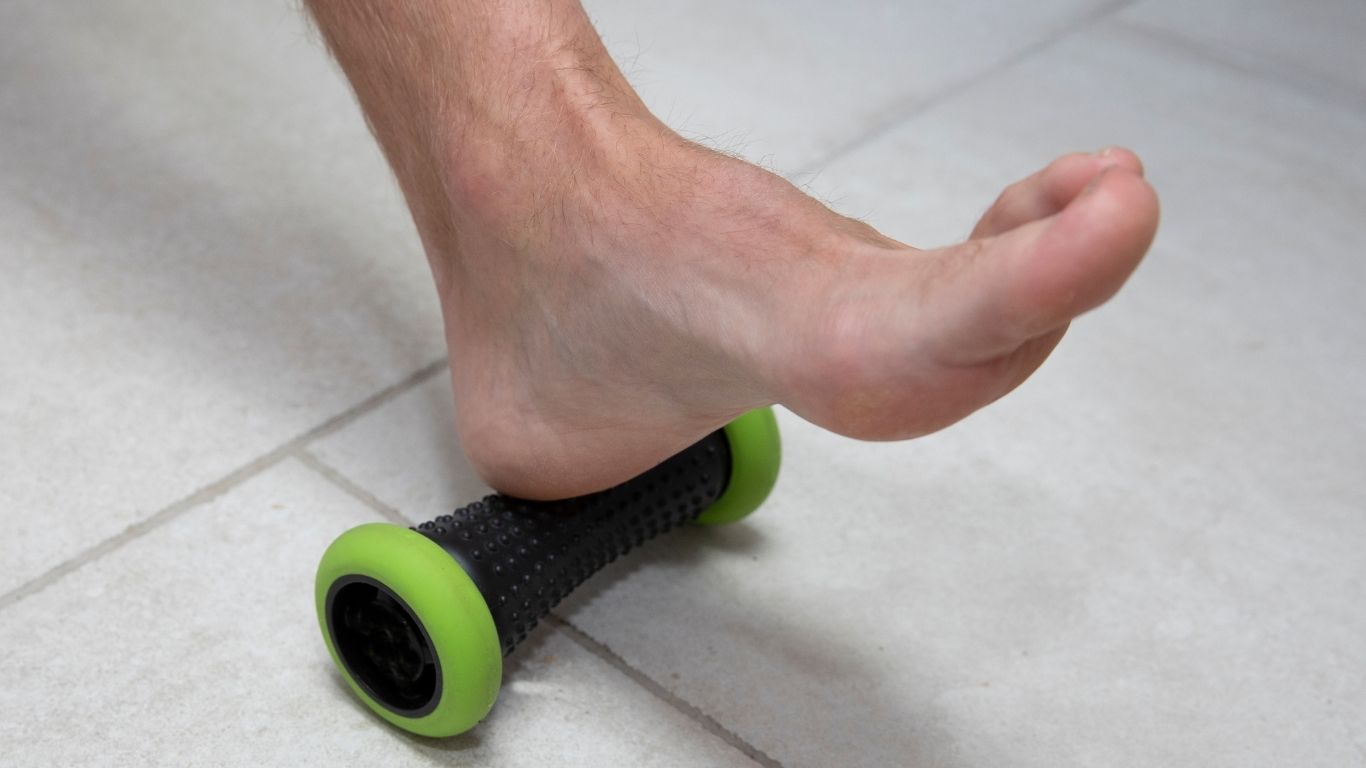
- Regular calf and plantar fascia mobility work
- Replace worn shoes or insoles and consider work shoe upgrades for hard floors
How we approach heel pain at Medifoot Clinic
Heel pain is not always caused by the same structure. While plantar fasciitis is one of the most common causes, pain can also come from the Achilles tendon, heel fat pad, nerves, or other tissues. Heel pain can sometimes be influenced by foot mechanics such as bunions or pressure-related issues like corns and calluses. That is why treatment should be based on what is actually causing your symptoms.
At Medifoot Clinic, we assess how your heel pain started, what makes it worse, your footwear, your daily activity, and how your foot and ankle are functioning. This helps us guide treatment so you are not just managing pain, but addressing the underlying cause.
How can you relieve heel pain at home?
Some simple ways to relieve heel pain at home include:
- resting and reducing high-impact activity
- wearing supportive footwear
- avoiding barefoot walking on hard floors
- gentle stretching of the foot and calf
- using cushioning or support inside shoes
If heel pain is ongoing or keeps returning, a podiatry assessment may help identify the cause and guide treatment.
Treatment
- Diagnosis to rule out non-fascia causes such as Achilles, nerve, fat pad, or stress-related pain
- Load management plan tailored to work, walking, or sport
- Calf and plantar fascia mobility plus progressive strengthening
- Footwear review and temporary taping or heel lift where appropriate
- Custom or prefabricated orthoses when mechanics and symptoms indicate
- Pain-calming options such as ice, short-term anti-inflammatory support if suitable, and activity guidance
Repeated rest alone, self-diagnosis, or overly aggressive stretching can prolong symptoms. A clear and progressive treatment plan generally works best.
Support options that may help relieve heel pain
In addition to rest, stretching, and activity modification, some people benefit from additional support to reduce strain on the heel and allow the tissue to settle.
Depending on the cause and severity of your heel pain, this may include:
- Temporary offloading using a CAM walker boot in more severe or persistent cases
- Custom orthotics to support the arch and improve foot mechanics
- Supportive insoles to provide cushioning and reduce impact
- Heel cushions or heel cups to absorb shock during walking
- Night splints to help reduce tension on the plantar fascia overnight
- Compression sleeves to provide gentle support and improve comfort
These options are not one-size-fits-all. The right approach depends on what is causing your heel pain, how long it has been present, and how it is affecting your walking and daily activity.
When to consider professional assessment
If your heel pain is not improving, is affecting your walking, or keeps returning, it may be a sign that the underlying cause needs to be properly assessed.
A podiatry assessment can help identify what is driving the pain and determine whether you may benefit from specific support such as orthotics, footwear changes, or temporary offloading.
Getting the right advice early can help prevent the condition from becoming more persistent or limiting your activity.
Podiatrists near Craigieburn & Gladstone Park
We will assess your heel pain, check your footwear and mechanics, and map out a treatment plan you can follow.
Related heel pain conditions
- Plantar fasciitis — the most common cause of heel pain, especially first-step pain in the morning
- Heel spur — often confused with plantar fasciitis and best assessed properly when heel pain persists
- Sore heel in the morning — a common symptom pattern often linked with plantar fasciitis and other heel conditions
You can also explore the full range of foot conditions we treat if you are comparing symptoms or looking for information about a related concern.
Do I need to see a podiatrist for heel pain?
Not all heel pain needs immediate treatment, but if the pain is ongoing, getting worse, or affecting your walking or daily routine, it is worth getting assessed. Heel pain can come from different structures such as the plantar fascia, Achilles tendon, or heel fat pad, and the right treatment depends on identifying the actual cause.
- Pain lasting more than 2–3 weeks
- Strong pain with the first steps in the morning
- Difficulty walking, working, or exercising
- Pain that keeps coming back
Early assessment can help prevent heel pain from becoming a long-term issue and can guide you toward the right treatment sooner.
What to expect at your heel pain appointment
At your appointment, we look at where the pain is, how long it has been there, what makes it worse, your footwear, your activity levels, and how your foot and ankle are moving. This helps us work out whether the pain is more likely coming from the plantar fascia, heel fat pad, Achilles tendon, or another structure.
From there, we explain the likely cause and guide treatment based on your symptoms, daily routine, and recovery goals.
If you have never visited a podiatrist before, our guide to what your first podiatry appointment involves explains what to expect from the visit.
If heel pain is affecting your day-to-day activity, our podiatrists can assess the cause and guide you on the most appropriate treatment options. Call us on (03) 9305 7945 or book an appointment online to get started.
FAQ
Why does my heel hurt in the morning?
Heel pain in the morning is commonly linked to plantar fasciitis. Overnight, the tissue under the foot tightens, and when you take your first steps, the sudden stretch can cause sharp pain. This pattern is one of the most common signs of plantar-related heel pain.
What is the most common cause of heel pain?
The most common cause of heel pain is plantar fasciitis, which involves irritation of the ligament under the foot. It often causes pain with the first steps in the morning or after rest.
Can heel pain go away on its own?
Mild heel pain can sometimes improve with rest and supportive footwear. However, if the pain keeps returning or lasts more than a couple of weeks, it is usually best to have it assessed to identify the cause. Our guide on when to see a podiatrist can help you decide.
Is walking bad for heel pain?
Gentle walking is usually fine, but too much walking or standing on hard surfaces can make heel pain worse. Adjusting activity levels based on symptoms is important during recovery.
What shoes help with heel pain?
Shoes with good cushioning, arch support, and heel stability are generally helpful for heel pain. Avoid flat or unsupportive footwear such as thongs or worn-out shoes.
When should I see a podiatrist for heel pain?
You should consider seeing a podiatrist if the pain is ongoing, getting worse, affecting your walking, or not improving with simple measures. Early assessment can help guide the right treatment.
Is heel pain always plantar fasciitis?
No. Heel pain can also come from the Achilles tendon, heel fat pad, nerves, or other structures. An assessment helps identify the exact source of pain.