Do I Need Orthotics?
Not everyone with foot pain needs orthotics. In many cases, simpler options can work just as well.
If your pain keeps coming back or affects how you walk, orthotics may help — but it depends on the cause.
👉 Not sure what applies to you? A quick check can help narrow it down.
Quick self-check
You may benefit from orthotics if:
- ✓ Pain has lasted more than a few weeks
- ✓ It keeps coming back
- ✓ It affects walking, work, or sport
You may NOT need orthotics if:
- ✗ Pain is recent or improving
- ✗ It started after a change in footwear or activity
- ✗ It settles with rest or simple measures
Still unsure? Most people benefit from a quick assessment before deciding on orthotics.
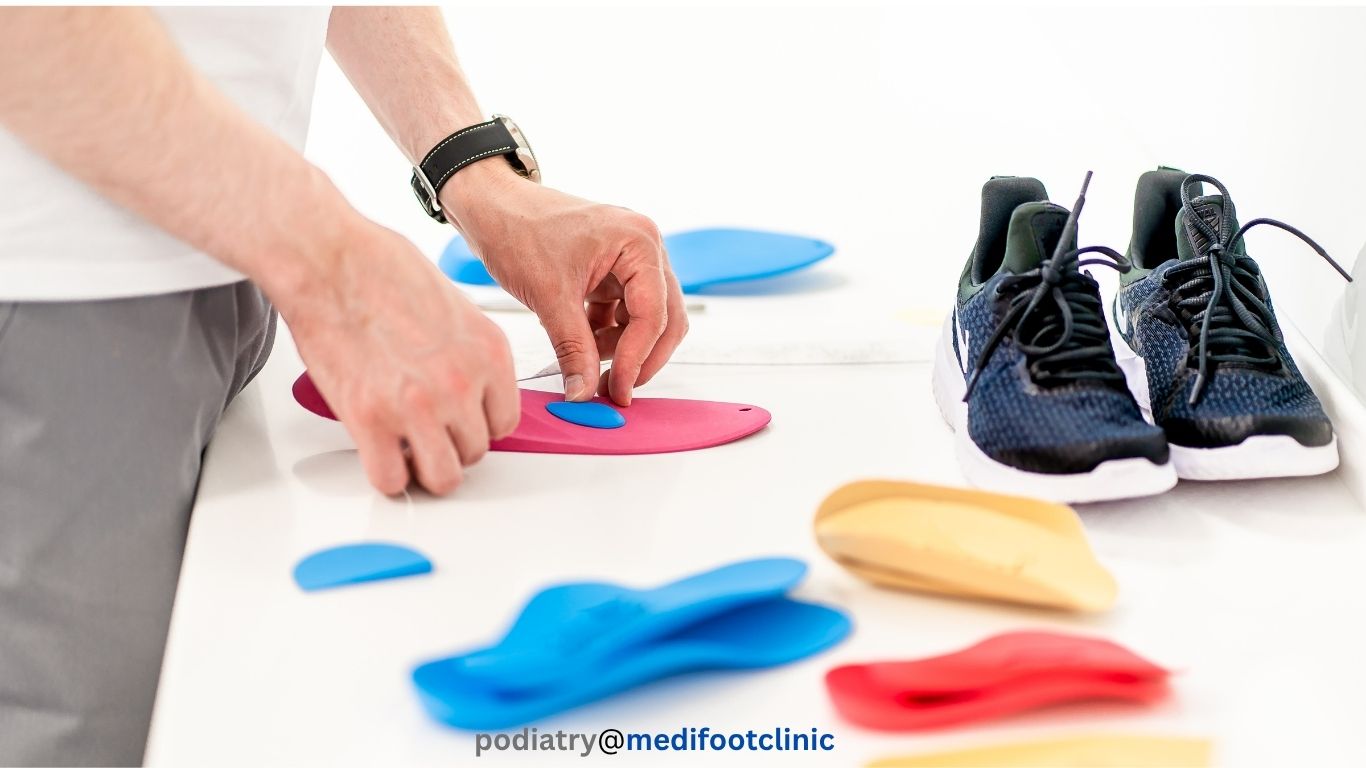
When Orthotics May Help
Orthotics are most likely to make a meaningful difference when there is a clear mechanical reason for the problem and when simpler measures have not resolved symptoms. Situations where they are commonly appropriate include:
- Persistent heel pain that has not responded to footwear changes or stretching
- Identified biomechanical issues — such as excessive pronation or supination — that are contributing to pain or injury
- Recurring overuse injuries linked to foot or lower limb mechanics, including shin splints or stress reactions
- Plantar fasciitis that has not improved with activity modification and stretching alone
- Structural foot conditions — such as flat feet or high arches — that are causing functional problems
- Patients with diabetes or circulation concerns where pressure redistribution is clinically important
If you are also wondering whether orthotics are worth the cost, see our guide on are orthotics worth it.
When You May Not Need Orthotics
Orthotics are not the right solution for every foot complaint. Situations where they are unlikely to be necessary include:
- Mild or temporary discomfort that is clearly improving with rest and basic self-care
- Pain that is primarily caused by ill-fitting or unsupportive footwear — a shoe change alone may resolve the problem
- Early-stage discomfort that has not yet been assessed or had any conservative management trialled
- Conditions that respond well to strength and flexibility work rather than external support
- Acute injuries such as sprains, where the focus should be on rehabilitation rather than long-term support devices
If you are unsure which category applies to you, a podiatry assessment is the most reliable way to find out. See our guide on when to see a podiatrist if you are also wondering whether an appointment is warranted.
Custom Orthotics vs Off-the-Shelf Insoles
Both have a role depending on the situation. Here is a simple comparison:
| Off-the-Shelf Insoles | Custom Orthotics | |
|---|---|---|
| Best for | Mild or early-stage issues, general comfort support | Identified mechanical problems requiring precise, individual correction |
| Lifespan | 6–12 months | 2–5 years |
| Assessment needed | Not always | Yes — cast or scan of your foot, full biomechanical review |
| Cost | Lower upfront cost | Higher upfront; often partially covered by private health extras |
A quality off-the-shelf insole is a reasonable first step for many people. Custom orthotics are more appropriate when support needs to be precisely tailored to your individual foot mechanics and clinical needs. For a full explanation of what custom orthotics involve, see our custom orthotics assessment and treatment page.
Risks of Unnecessary Orthotics
Orthotics prescribed without a clear clinical reason can create problems of their own:
- Cost without benefit — custom orthotics are a meaningful investment; paying for them when they are not needed provides little value
- Missing the real cause — if the underlying driver of pain is footwear, muscle weakness, or load, orthotics will not fix it
- Potential dependency — relying on external support without addressing the root cause may prevent muscles from strengthening naturally over time
- Delay in appropriate care — pursuing orthotics when another treatment is indicated can delay recovery
What Most People Try First
Before orthotics are considered, most podiatrists — including the team at Medifoot — will explore simpler options that are often enough to resolve the problem:
- Footwear review and recommendations — switching to a more supportive shoe is one of the most effective and lowest-cost interventions
- Activity modification — reducing load or adjusting training patterns to allow symptoms to settle
- Stretching and strengthening — targeted exercises addressing the specific muscles and structures involved
- Off-the-shelf insoles — a practical, lower-cost option to trial before committing to custom orthotics
- Education and self-management strategies — understanding what aggravates your symptoms and how to manage flare-ups
In many cases, a combination of the above resolves the problem without any custom support required. When they do not, orthotics become a more considered option — not a first response.
Not Sure Which Category You Fall Into?
A podiatry assessment can clarify whether orthotics are likely to help in your specific case — or whether simpler options are more appropriate. There is no obligation to proceed with orthotics after an assessment.
No referral required · Conservative, assessment-first approach · Craigieburn and Gladstone Park

When to See a Podiatrist About Orthotics
Consider booking an assessment if any of the following apply:
- Foot or heel pain has persisted for more than a few weeks despite rest and footwear changes
- You have tried off-the-shelf insoles without meaningful improvement
- Pain is affecting how you walk, work, exercise, or carry out daily activities
- You have been advised to get orthotics elsewhere and would like a second assessment before committing
- You have a recurring injury that keeps returning despite rest and general care
If you are unsure whether a full assessment is needed, you can also read our guide on when to see a podiatrist or find out more about what your first podiatry appointment involves.
If your pain is ongoing or affecting your daily activities, it is worth getting it checked.
A proper assessment can often prevent unnecessary treatment — including orthotics if they are not needed.
Book an appointmentPodiatry Care in Craigieburn and Gladstone Park
Our podiatrists have been managing foot pain and prescribing orthotics in Craigieburn and Gladstone Park for many years, so recommendations are based on seeing what actually works over time — not a one-size-fits-all approach.
Whether you are dealing with ongoing heel pain, plantar fasciitis, or a recurring overuse injury, an assessment will give you a clear picture of what is happening and whether orthotics are a worthwhile part of the plan.
Considering orthotics?
If you are thinking about orthotics, a proper assessment helps determine whether they are necessary — or if simpler options are likely to work just as well. For a detailed look at what the assessment involves, costs, and what to expect, see our custom orthotics assessment and treatment page.
Frequently Asked Questions
Do orthotics work for everyone?
No. Orthotics are most effective when prescribed for a specific, identified mechanical problem. They are not a universal fix for foot pain and may offer little benefit if the underlying cause is footwear, load management, or a condition that responds better to exercise and rehabilitation.
Are expensive orthotics better than cheaper ones?
Not necessarily. The value of an orthotic comes from accurate assessment, appropriate prescription, and good fit — not cost alone. A custom orthotic prescribed after a thorough biomechanical assessment is more likely to help than an expensive off-the-shelf product bought without clinical guidance.
Can I try insoles before getting custom orthotics?
Yes. For mild or early-stage foot pain, a quality off-the-shelf insole combined with footwear changes is a reasonable first step. If symptoms persist despite these measures, a custom orthotics assessment and treatment review is worth considering.
How long do orthotics last?
Custom orthotics typically last two to five years depending on the materials, how often they are worn, and body weight. Off-the-shelf insoles generally last six to twelve months. Orthotics may need adjustment over time as your foot or activity level changes.
Are orthotics worth the cost?
When prescribed for the right reason, custom orthotics can provide durable, practical support that improves function and reduces pain. They are most cost-effective when the underlying problem is mechanical and when simpler options have not resolved the issue. Many private health funds with podiatry extras cover a portion of the cost.
Can foot pain improve without orthotics?
Yes. Many foot conditions improve with footwear changes, activity modification, stretching, and load management — without any orthotic support. A podiatry assessment can help identify whether orthotics are likely to make a meaningful difference in your case or whether other approaches are more appropriate.
Still Unsure Whether Orthotics Are Right for You?
An assessment is the clearest way to find out. Our podiatrists will look at your foot mechanics, your symptoms, and what you have already tried — and give you an honest recommendation, including when orthotics are not the right fit.
If you would like to understand what the appointment involves before booking, read about what your first podiatry appointment involves.
We see patients from Craigieburn, Gladstone Park, and across Melbourne North.
No referral required · Conservative, assessment-first approach · No obligation to proceed with orthotics