Nail Trauma Treatment
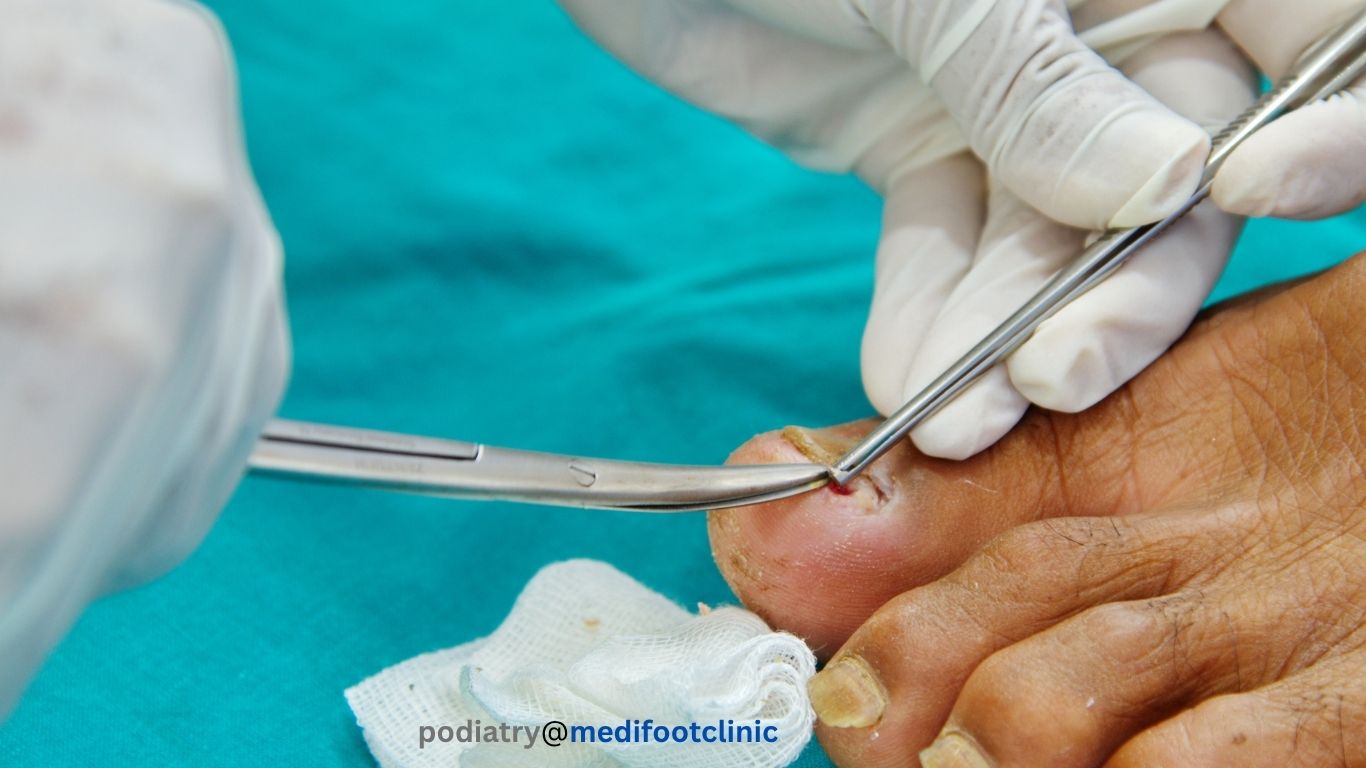
Nail trauma refers to damage to the toenail or nail bed caused by injury. This can occur from a sudden impact, a dropped object, repeated pressure from footwear or ongoing microtrauma from sport and activity. At MediFoot Clinic, we assess traumatised nails carefully, manage immediate discomfort and guide patients on what to expect as the nail recovers or regrows.
What Is Nail Trauma?
Nail trauma covers a range of injuries to the toenail or the tissue beneath it. It can be acute — from a single incident such as stubbing a toe or dropping something heavy on the foot — or chronic, resulting from repeated low-level pressure or friction over time. Both types can alter how the nail looks and grows, sometimes permanently.
Common Causes of Nail Trauma
- Stubbing the toe or having a heavy object dropped on the foot
- Footwear that is too tight or too short, causing the nail to strike the toe box during walking, running or sport
- Repetitive impact from activities such as running, hiking, football or other sports involving sudden stops or changes of direction
- Repeated pressure from ill-fitting boots or sports footwear
- Nail avulsion — partial or complete separation of the nail from the nail bed
Signs and Symptoms
- Bruising or dark discoloration under or within the nail
- Pain or throbbing after an injury
- Nail that partially or fully lifts from the nail bed
- A nail that regrows thickened, ridged, discoloured or misshapen
- Nail changes that resemble a fungal nail infection
- Ongoing tenderness or pressure pain in the toe
Nail Trauma vs Fungal Nail Infection
Toenails that have been damaged by trauma can look very similar to those affected by fungal nail infection. Both can cause thickening, discoloration and changes in nail texture. Some people have both at the same time — a traumatised nail bed can become more vulnerable to fungal infection. If you are unsure which is causing your nail changes, assessment by a podiatrist helps determine the most likely cause and the appropriate next step.
If a damaged nail has become persistently thick and difficult to manage, professional nail reduction can make it more comfortable while the nail is growing back or long-term.
How a Podiatrist Can Help
Depending on the type and severity of nail trauma, podiatry care may include:
- Assessment of the nail, nail bed and surrounding tissue
- Safe management of subungual haematoma (blood under the nail) where appropriate
- Reduction of thickened or misshapen nail material using sterile instruments
- Guidance on what to expect as the nail regrows after injury
- Advice on footwear to reduce ongoing nail pressure during recovery
- Referral when further investigation or specialist management is needed

When to Get a Traumatised Nail Checked
It is worth getting a damaged nail assessed when there is significant pain or bruising after an injury, when the nail has partially lifted from the bed, when the nail is regrowing in an abnormal shape, or when you are unsure whether the changes are from trauma or a fungal infection. Prompt care is especially important if you have diabetes, poor circulation or reduced sensation in your feet.
Nail Trauma Care in Craigieburn and Gladstone Park
If you have a damaged toenail in Craigieburn, Gladstone Park or nearby northern suburbs of Melbourne, MediFoot Clinic can assess the injury, provide practical nail care and help you understand what to expect as the nail heals. Many patients come in after a nail has lifted or bruised following sport or an accident, or because a nail has been regrowing thickened and uncomfortable after a past injury.
Frequently Asked Questions
Will a damaged toenail grow back normally?
In many cases, yes — but it depends on the extent of the injury. If the nail matrix (the tissue that produces the nail) was significantly damaged, the nail may regrow with permanent changes to its thickness or shape.
How long does it take for a toenail to grow back after it falls off?
Toenails grow slowly — full regrowth typically takes six to twelve months or more, depending on the toe and the extent of the injury.
Can nail trauma lead to fungal infection?
Yes. A damaged nail bed can be more vulnerable to fungal infection, especially if the nail has lifted or the skin underneath has been disrupted. Both conditions can be present at the same time.
My toenail is black — does that mean it needs to come off?
A black toenail is usually a subungual haematoma — bruising under the nail. Mild cases often resolve on their own as the nail grows out. More severe cases or those causing significant pain may need assessment to see whether draining the blood is appropriate.
Is a thickened nail after an injury the same as a fungal nail?
Not necessarily. Trauma can cause permanent nail thickening that looks similar to fungal infection, but has a different cause. Assessment helps tell the difference.
Related Skin & Nail Pages
Need Help After a Nail Injury?
Whether your nail has lifted after an injury, is growing back thick or discoloured, or you are unsure whether trauma or a fungal infection is causing the problem, MediFoot Clinic can assess it and guide you on the right next step.