Painful Bunion Treatment in Melbourne
A bunion does not always hurt, but when it becomes painful it can make walking, standing, and wearing normal shoes much harder. Pain may come from pressure over the big toe joint, inflammation, rubbing inside footwear, or from the way the foot is functioning overall. At Medifoot Clinic, we help patients in Craigieburn, Gladstone Park, and surrounding Melbourne areas assess painful bunions and understand practical treatment options.
If you want a broader overview of causes, progression, and treatment pathways, see our bunions page.
What is a painful bunion?
A painful bunion is a bunion where the big toe joint becomes irritated enough to cause discomfort during daily activities. This may happen because the joint is prominent and rubs against shoes, because nearby tissues become inflamed, or because the big toe joint is not functioning well during walking.
Common symptoms
- Pain over the side of the big toe joint in shoes
- Redness, swelling, or irritation around the bunion
- Pain after long periods of walking or standing
- Difficulty wearing narrower or dress shoes
- Corns, calluses, or rubbing where the foot meets the shoe
- Crowding or pressure affecting nearby toes
Why does a bunion become painful?
- Direct shoe pressure over the prominent joint
- Inflammation of the soft tissue or bursa around the area
- Increased load through the big toe joint during walking
- Foot mechanics that increase stress on the front of the foot
- Progression of the bunion shape over time
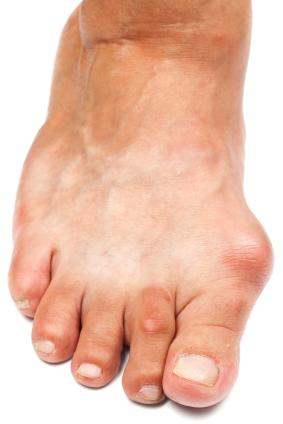
Painful bunion?
Reduce pressure, calm irritation, and make shoes easier to wear.
What can make pain flare up?
- Narrow or firm shoes that press on the bunion
- Long shifts on your feet
- Walking long distances in unsupportive footwear
- Increased exercise or activity levels
- Swelling after busy days or prolonged standing
Safe things to try at home
- Switch to shoes with a wider toe box
- Avoid footwear that rubs directly on the joint
- Use cold packs after a flare-up if the area is inflamed
- Reduce aggravating activity for a short period if needed
- Use simple protective padding if rubbing is the main issue
How we approach a painful bunion at Medifoot Clinic
Painful bunions can involve more than just the visible bump. We look at footwear pressure, joint irritation, foot mechanics, callus formation, and whether nearby toes are also being affected. This helps us work out why the bunion is hurting and what is most likely to help.
In many cases, treatment focuses on reducing shoe pressure, calming the irritated area, and improving the way load is distributed through the foot.
Treatment options
- Footwear advice to reduce pressure over the bunion
- Padding or protection where rubbing is occurring
- Orthotic assessment if foot mechanics are contributing
- Activity modification during painful flare-ups
- Advice on managing swelling and irritation
- Referral for further opinion when conservative options are no longer enough
The best treatment depends on whether the pain is mainly from shoe rubbing, local inflammation, joint stress, or gradual progression of the bunion.
When to see a podiatrist
- If your bunion hurts in normal day-to-day footwear
- If the joint is red, swollen, or inflamed regularly
- If the bunion is affecting walking or standing tolerance
- If calluses or toe crowding are developing
- If simple shoe changes are no longer enough
Painful bunion treatment in Craigieburn & Gladstone Park
We assess painful bunions, shoe pressure, joint irritation, and foot mechanics so treatment is based on what is actually driving the pain.
Related bunion guides
- Bunions — overview of causes, progression, and treatment options
- Bunion getting worse — signs the bunion is becoming more prominent or harder to manage
- Shoes for bunions — footwear choices that may reduce pressure on the joint
- Bunion treatment without surgery — conservative options to reduce pain and irritation
- Bunions in children — how bunions develop in younger patients and what parents should know
Do I need to see a podiatrist for a painful bunion?
If the pain keeps returning, shoes are getting harder to wear, or the area is regularly inflamed, it is worth getting assessed. Persistent pain can change the way you walk and can make the problem harder to manage over time.
- Recurring pain in shoes
- Inflammation around the bunion
- Reduced comfort during walking or standing
- Nearby toes starting to rub or crowd
Early treatment does not always mean surgery. Often it means working out what is driving the pain and dealing with that properly.
What to expect at your painful bunion appointment
We assess where the pain is, what shoes you wear, how the big toe joint is functioning, whether the bunion is rubbing in footwear, and whether nearby structures are also being affected.
From there, we explain what is most likely driving the pain and guide treatment based on your symptoms, daily routine, and footwear needs.
FAQs
Why does my bunion hurt more in shoes?
Shoes often press directly on the prominent joint, which can irritate the area and increase inflammation.
Can a bunion be painful without being severe?
Yes. Even a smaller bunion can be painful if footwear pressure or local irritation is significant.
Will wider shoes help a painful bunion?
In many cases, yes. Wider shoes may reduce direct pressure over the bunion and improve comfort.
Can orthotics help a painful bunion?
They may help some patients when foot mechanics are increasing stress through the area.
Does bunion pain mean I need surgery?
Not always. Many painful bunions are first managed with conservative treatment.
Can bunion pain come and go?
Yes. Pain often flares when shoe pressure, activity, or swelling increase.
Should I stop walking if my bunion hurts?
Not necessarily, but you may need to reduce aggravating activity and change footwear while the area settles.
When should I get a painful bunion checked?
It is worth getting checked when pain keeps returning, daily shoes are becoming difficult to wear, or the bunion is affecting activity.