Bunion Treatment in Melbourne
Bunions can start as a small change in the big toe joint and gradually become more painful, more prominent, and harder to manage in regular footwear. At Medifoot Clinic, we assess bunions, explain what may be contributing to them, and guide patients in Craigieburn, Gladstone Park, and surrounding Melbourne areas on practical treatment options that may help reduce pain and slow progression.
What is a bunion?
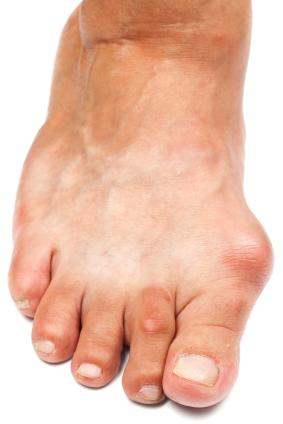
A bunion is a bony bump at the base of the big toe that develops when the joint becomes misaligned. Over time, the big toe may lean towards the second toe, making the joint more prominent and often causing pain, pressure, and difficulty with footwear.
Definition
A bunion is a progressive misalignment of the big toe joint, also known as hallux abducto valgus. Over time, the big toe may drift toward the lesser toes while the joint at the base of the toe becomes more prominent. This can affect foot shape, shoe fit, comfort, and walking mechanics.
Typical symptoms
- A bony bump forms at the side of the big toe joint and may become more noticeable over time
- Pain, redness, or inflammation around the joint, especially in tighter shoes
- Difficulty fitting into regular footwear as the forefoot widens
- Pressure on nearby toes, including rubbing, crowding, corns, or calluses
Common causes of bunions
- Tight, narrow, or high-heeled footwear can aggravate the joint
- Genetic predisposition and inherited foot shape
- Poor foot mechanics, including flat feet in some patients
- Inflammatory joint conditions such as rheumatoid arthritis
The same causes can affect patients of any age, including children and teenagers. See our page on bunions in children for more detail on how bunions develop in younger patients.
How to relieve bunion pain at home
If a bunion is starting to become uncomfortable, simple changes at home may help reduce pressure and irritation. These measures do not straighten the joint, but they may make walking and wearing shoes more comfortable.
- wear wider shoes with a roomy toe box
- avoid tight, narrow or high-heeled shoes
- use protective padding to reduce rubbing over the bunion
- apply ice after long periods of standing or walking if the area feels sore
- consider supportive footwear or orthotic advice if pressure through the big toe joint is contributing to pain
- reduce activities that increase pressure if the bunion becomes particularly irritated
If pain is becoming more frequent or shoes are becoming harder to wear, it is a good idea to have the bunion assessed before it progresses further.
Bunions can become more painful over time
Some people notice a bunion mainly because of shoe pressure, while others find that the shape of the foot gradually changes and the bunion becomes harder to ignore. If a bunion is becoming more painful, more prominent, or harder to manage in shoes, early assessment can help guide treatment before the problem progresses further. For guidance on what can be done at an earlier stage, see our page on early bunion treatment.
Painful bunion? We can help.
Reduce pressure, improve function, and make footwear easier to manage.
Who is affected?
- People with a family history of bunions
- Women are affected more often than men
- People wearing narrow, restrictive, or high-heeled footwear
- Ballet dancers and others with repeated forefoot loading
- People with flat feet or foot mechanics that increase joint stress
- Tradespeople wearing rigid safety boots with a narrow toe box, where direct pressure on the bunion throughout a shift can make the joint noticeably more painful by the end of the day — our page on foot pain for tradies covers how footwear and occupational demands affect the foot
Bunions can also develop in younger patients. If you are concerned about a bunion in a child or teenager, see our bunions in children page for more guidance.
Risks if ignored
- Increasing pain and inflammation around the big toe joint
- Widening of the forefoot and growing difficulty with shoe fit
- Clawing or crowding of the lesser toes
- Corns, calluses, and skin irritation from rubbing and pressure
- Reduced function of the big toe joint, affecting walking and push-off
Prevention and early management
- Wear wide, supportive shoes with enough forefoot room
- Avoid tight, narrow, or high-heeled shoes where possible
- Address foot mechanics early if the bunion is beginning to develop
- Consider orthotic support where foot function is contributing to joint stress
How we approach bunions at Medifoot Clinic
Bunions do not affect every patient in the same way. Some mainly notice pain in shoes, some struggle with swelling and rubbing, and others are more concerned that the bunion is gradually getting worse. That is why treatment should be based on what is actually causing your symptoms and how the bunion is affecting your daily life.
At Medifoot Clinic, we assess how the bunion is behaving, your footwear, your foot mechanics, nearby pressure points, and whether other toes or joints are starting to be affected. This helps guide treatment so you are not just reacting to pain, but making a practical plan for the foot as a whole.
A podiatry assessment for a bunion can help identify how much of the problem is coming from joint alignment, shoe pressure, foot mechanics, or progression over time, so treatment can be matched to the way the bunion is actually behaving.
Treatment options
- Footwear assessment and advice to reduce pressure on the joint
- Padding or protection over irritated areas where appropriate
- Orthotic assessment when foot mechanics are contributing to joint load
- Guidance on activity modification if walking or standing is aggravating symptoms
- Ice and pain-calming measures during flare-ups
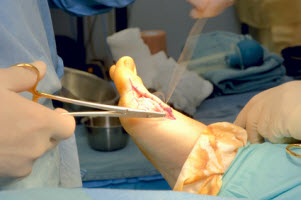
- Referral for surgical opinion when conservative care is no longer enough
Treatment depends on the severity of the bunion, the type of pain present, footwear demands, and whether nearby structures are also being affected. In many cases, early podiatry treatment focuses on relieving pressure, improving foot function, and helping patients choose footwear that is easier on the big toe joint. For patients weighing up whether conservative care remains appropriate or whether surgery may be worth considering, see our guide on bunion surgery vs conservative treatment.
When to see a podiatrist
You should consider seeing a podiatrist for a bunion if pain persists, the joint is changing shape, or footwear and daily activities are becoming difficult.
- If the big toe joint is painful in shoes or after walking
- If the bunion appears to be getting larger or changing shape
- If you are struggling to find comfortable footwear
- If the big toe is starting to crowd or press against other toes
- If calluses, corns, or skin irritation are developing around the area
- If you want to try conservative treatment before considering surgery
If you are not sure whether your bunion needs professional attention, our guide on do I need a podiatrist can help you decide.
Bunion treatment in Craigieburn & Gladstone Park
We assess bunion pain, shoe pressure, joint alignment, and foot mechanics to help you understand what may be contributing to the problem and what practical treatment options may help.
Do I need to see a podiatrist for a bunion?
Not every bunion needs immediate treatment, but if the joint is painful, changing shape, rubbing in footwear, or affecting the way you walk, it is worth getting assessed. Early guidance can sometimes make the problem easier to manage and may help reduce the chance of further pressure and progression.
- Pain in shoes or after walking
- Visible progression or widening of the forefoot
- Difficulty finding comfortable shoes
- Calluses, corns, or crowding of nearby toes
Early assessment can help clarify what is causing the pain and whether conservative treatment is likely to help before the problem becomes more advanced.
What to expect at your bunion appointment
At your appointment, we look at the shape of the big toe joint, where the pain is, how long it has been there, what shoes you wear, how you walk, and whether nearby toes or pressure points are being affected. This helps us work out whether the main issue is shoe pressure, joint irritation, foot mechanics, or progression of the deformity.
From there, we explain the likely cause of your symptoms and guide treatment based on your daily routine, footwear needs, and goals.
If you have not seen a podiatrist before, you can read about what to expect at your first appointment before you book.
Bunion problems don't all look the same
Some people notice a bunion early when it is only a small change in the joint. Others present when the bunion is painful in shoes, while some come in when it is clearly getting worse or affecting nearby toes. That is why understanding what stage the bunion is at can help guide the next step.
- If your bunion is just starting, see early bunion treatment
- If your bunion is painful, see painful bunion
- If your bunion seems to be progressing, see bunion getting worse
- If shoes are the main issue, see shoes for bunions
- If you want to avoid surgery, see non-surgical treatment
- If you are deciding about next steps, see surgery vs conservative treatment
- If the bunion is in a younger patient, see bunions in children and teenagers
This approach helps match the right advice to what is actually happening with your bunion, rather than treating every case the same way.
FAQs
Are bunions permanent?
Bunions do not usually reverse by themselves. Treatment often focuses on reducing pain, improving function, and slowing progression.
Do bunions always need surgery?
No. Many people first try conservative treatment such as footwear changes, padding, orthotics, and activity modification.
Can shoes make bunions worse?
Tight or narrow footwear can increase pressure on the big toe joint and may aggravate symptoms.
Can podiatrists help with bunions?
Yes. A podiatrist can assess the bunion, foot function, pressure areas, and footwear, then guide conservative treatment options.
Are bunions hereditary?
There can be a genetic tendency, especially where foot shape or mechanics run in families.
Why does my bunion hurt more in shoes?
Shoes can press against the prominent joint, irritating the area and increasing inflammation.
Can orthotics help bunions?
Orthotics may help some patients by improving foot mechanics and reducing stress through the area, although they do not remove the bunion itself.
When should I get my bunion checked?
It is worth getting checked when pain, footwear difficulty, skin irritation, or progression starts affecting day-to-day life. Our guide on do I need a podiatrist can help you decide.
Related guides
- Painful bunion — when the bunion becomes irritated, inflamed, or difficult to manage in shoes
- Bunion getting worse — signs the bunion is becoming more prominent, harder to manage, or affecting nearby toes
- Shoes for bunions — footwear features that may reduce pressure over the joint
- Bunion treatment without surgery — practical conservative options that may help reduce pain and shoe pressure
- Bunion surgery vs conservative treatment — how to think about whether conservative care is still enough or whether it may be time to consider surgical opinion
- Early bunion treatment — what to do when a bunion is just starting or only mildly noticeable
- Bunions in children and teenagers — when a big toe joint starts angling inward during growth
For a broader overview of what our podiatrists assess and manage, see our guide to common foot conditions.