Best Shoes for Bunions
Shoes can make a big difference to bunion comfort. The wrong footwear can increase pressure on the big toe joint, trigger rubbing and inflammation, and make walking more uncomfortable. The right shoes usually do not remove the bunion, but they may make it much easier to manage day to day. At Medifoot Clinic, we help patients in Craigieburn, Gladstone Park, and surrounding Melbourne areas choose footwear that is more bunion-friendly.
For a broader overview of bunion causes, progression, and treatment, see our bunions page.
Why shoes matter for bunions
A bunion creates a more prominent area at the side of the big toe joint. Shoes that are too narrow, too firm across the forefoot, or shaped poorly around the toes can press on this area and make symptoms worse. Footwear becomes even more important when the bunion is painful or gradually getting worse.
Signs your shoes may be aggravating the bunion
- Redness or rubbing over the side of the joint after wearing shoes
- Pain that eases when you take your shoes off
- Forefoot tightness or pressure across the toes
- Calluses or irritation where the bunion meets the shoe
- Difficulty lasting long hours in work or dress shoes
What to look for in shoes for bunions
- A wide toe box with enough room for the forefoot
- Softer upper material around the bunion area
- A supportive sole that feels stable for walking
- Enough depth if you also use orthotics or padding
- A shape that does not force the toes inward
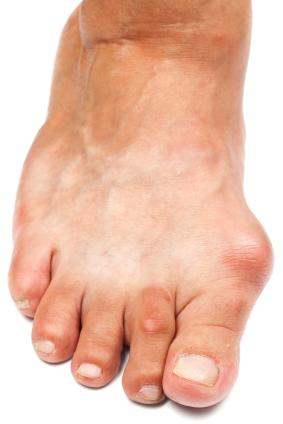
The right shoes can reduce pressure
Better fit can make walking and standing much more comfortable.
Shoe features that often help
- Wide-fitting shoes rather than standard narrow shapes
- Stretchy or forgiving upper materials
- Lower heels rather than high heels
- Good stability for work and walking
- Secure fastening so the foot is not sliding around inside the shoe
Footwear choices that often make bunions worse
- Narrow dress shoes
- Pointed toe-box shoes
- Rigid uppers pressing directly on the bunion
- High heels that shift more load onto the front of the foot
- Very flat unsupportive shoes that increase forefoot strain
How we help with bunion footwear at Medifoot Clinic
We look at where the shoe is pressing, how your foot is functioning, how much room the forefoot needs, and whether orthotics, padding, or shoe changes may help. Sometimes the main issue is the bunion itself. Other times, it is that the shoe shape is repeatedly aggravating it.
Practical footwear advice can make a real difference, especially when pain is mainly triggered by work shoes, dress shoes, or long hours on your feet.
When to get footwear advice
- If your bunion hurts mainly in shoes
- If you are struggling to find shoes that fit comfortably
- If work shoes are causing repeated pressure or flare-ups
- If you want to avoid making the bunion harder to manage
- If you are unsure whether orthotics need to be factored into shoe choice
Footwear advice for bunions in Craigieburn & Gladstone Park
We help assess bunion pressure, shoe fit, foot mechanics, and practical options that may improve comfort in daily life.
Related bunion guides
- Bunions — overview of causes, progression, and treatment options
- Painful bunion — when pressure, rubbing, and inflammation make the bunion harder to manage
- Bunion getting worse — signs the bunion is becoming more prominent or affecting nearby toes
- Bunion treatment without surgery — conservative options that may reduce pain and shoe pressure
- Bunion surgery vs conservative treatment — when to consider whether conservative care is still enough
Do I need to see a podiatrist about shoes for bunions?
If the main problem is that shoes are pressing, rubbing, or becoming harder to wear, then yes — footwear advice can be very worthwhile. Sometimes a small change in shoe shape or fit makes a meaningful difference to comfort.
- Pain mainly happens in shoes
- Work shoes are difficult to tolerate
- The forefoot feels too cramped
- Dress shoes cause repeated flare-ups
Good shoes will not reverse a bunion, but they may reduce pressure and make daily life more manageable.
FAQs
What type of shoes are best for bunions?
Usually shoes with a wide toe box, softer upper material, and good support are easier to tolerate.
Can narrow shoes make bunions worse?
They can increase pressure and irritation, especially when they press directly on the joint.
Are high heels bad for bunions?
High heels often increase load on the front of the foot and can make bunion discomfort worse.
Do I need wide shoes if I have a bunion?
Many people do better in wider-fitting shoes, especially if standard shoes feel tight across the forefoot.
Can orthotics affect shoe choice?
Yes. If you use orthotics, depth and internal shoe space become more important.
Why do my bunions hurt more in work shoes?
Work shoes may be firmer, narrower, or worn for longer hours, which can increase pressure on the bunion.
Can the right shoes cure a bunion?
No, but the right shoes may reduce pressure, rubbing, and daily pain.
Should I get footwear advice from a podiatrist?
Yes, especially if shoes are the main reason the bunion is painful or difficult to manage.