Foot Pain from Gym Workouts
Gym workouts involve a wide range of movements including running, jumping, lifting, and weight-bearing exercises. These activities can place significant stress on the feet, especially when technique, footwear, or load management is not optimal. Foot pain that develops in the gym is often dismissed as normal soreness, but recurring or worsening symptoms are worth assessing.
Many of the same mechanisms that cause foot pain during running or walking also apply in the gym — repetitive load, inadequate footwear, and sudden increases in training intensity are common threads. For those who combine gym sessions with long periods of standing all day at work, the cumulative load on the feet can become significant.
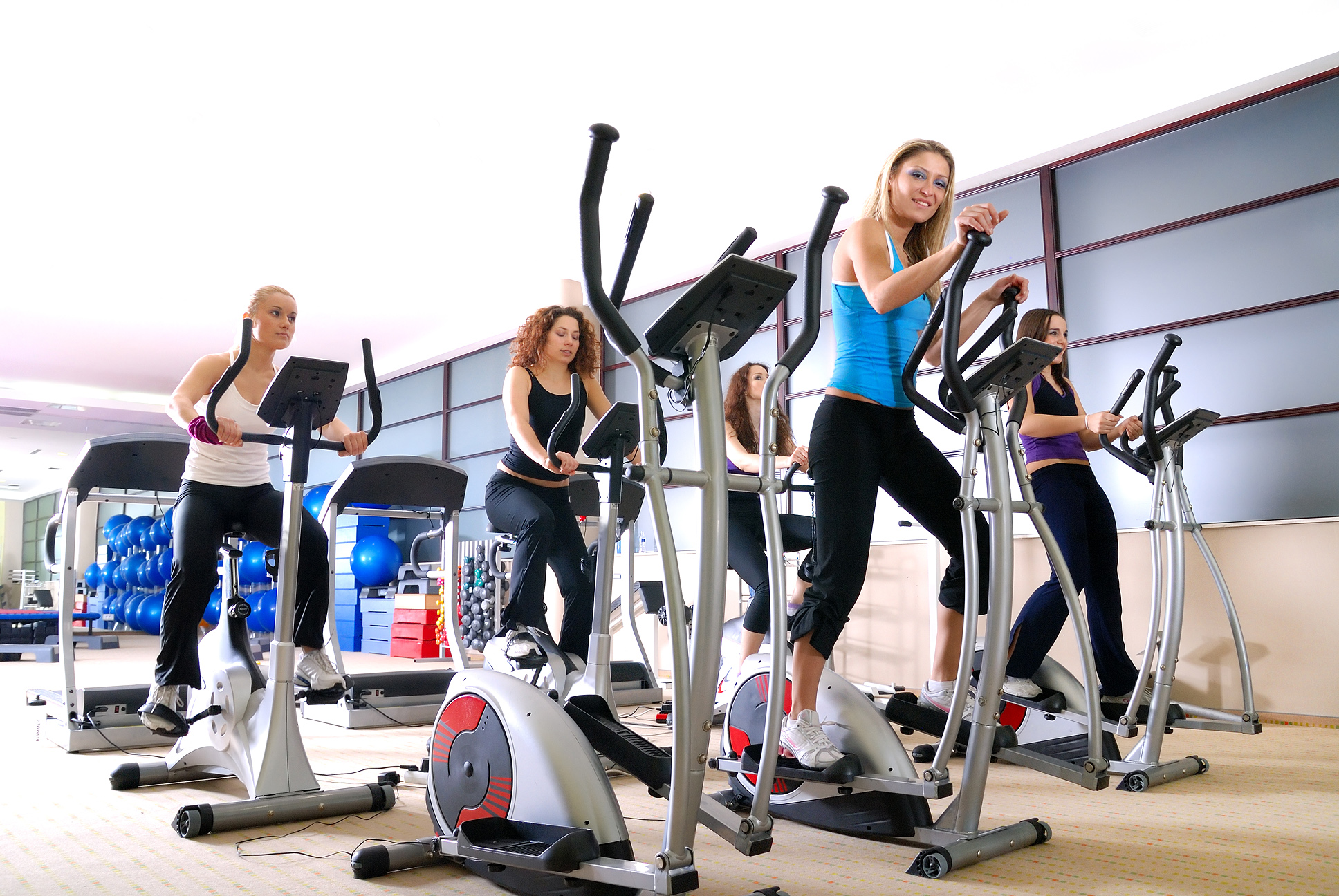
Why Gym Workouts Can Cause Foot Pain
The gym environment combines a variety of loading demands that can stress different parts of the foot. Common contributing factors include:
- Repetitive impact through the heel and forefoot from jumping, skipping, and treadmill running
- Heavy compressive loading during weightlifting exercises such as squats and deadlifts
- Poor technique or form that places uneven load through the foot with each repetition
- Sudden increases in training intensity or volume without allowing the foot tissues to adapt
- Inadequate footwear — gym shoes that lack appropriate cushioning, stability or forefoot support for the exercises being performed
- Insufficient recovery between sessions, which prevents tissue adaptation and increases the risk of overuse injury
Common Types of Foot Pain in the Gym
One of the most frequent complaints among gym-goers is heel pain. High-impact exercises such as box jumps, treadmill running, and skipping concentrate force through the heel repeatedly, and without adequate cushioning or recovery time this load can accumulate into persistent pain. Heel pain in gym-goers often appears after sessions or is worst with the first steps the morning after a heavy workout.
A common cause of that heel pain is plantar fasciitis — irritation of the thick band of tissue running along the base of the foot from the heel to the toes. Gym activities that involve a sudden increase in impact load, prolonged time on the feet, or exercises performed in flat minimalist shoes are particularly associated with this condition.
Pain under the front of the foot is also common in gym settings. Metatarsalgia — irritation around the metatarsal heads just behind the toes — tends to develop when forefoot load is repeatedly high, as occurs during jumping exercises, lunges, and push-off movements. This type of ball of foot pain often builds through a workout and lingers afterwards, and is particularly common in people who train in shoes with limited forefoot cushioning.
People with a pre-existing bunion often find that certain gym exercises — particularly those that load the forefoot heavily or require pushing off through the big toe — can aggravate the joint. Wide-toe-box footwear and adjustments to exercise selection and technique can make a meaningful difference to training comfort.
Friction from gym shoes during repetitive movements can contribute to corns and calluses forming over pressure points on the toes and forefoot. When these thicken and become painful, they can affect how the foot loads during exercises and lead to altered movement patterns.
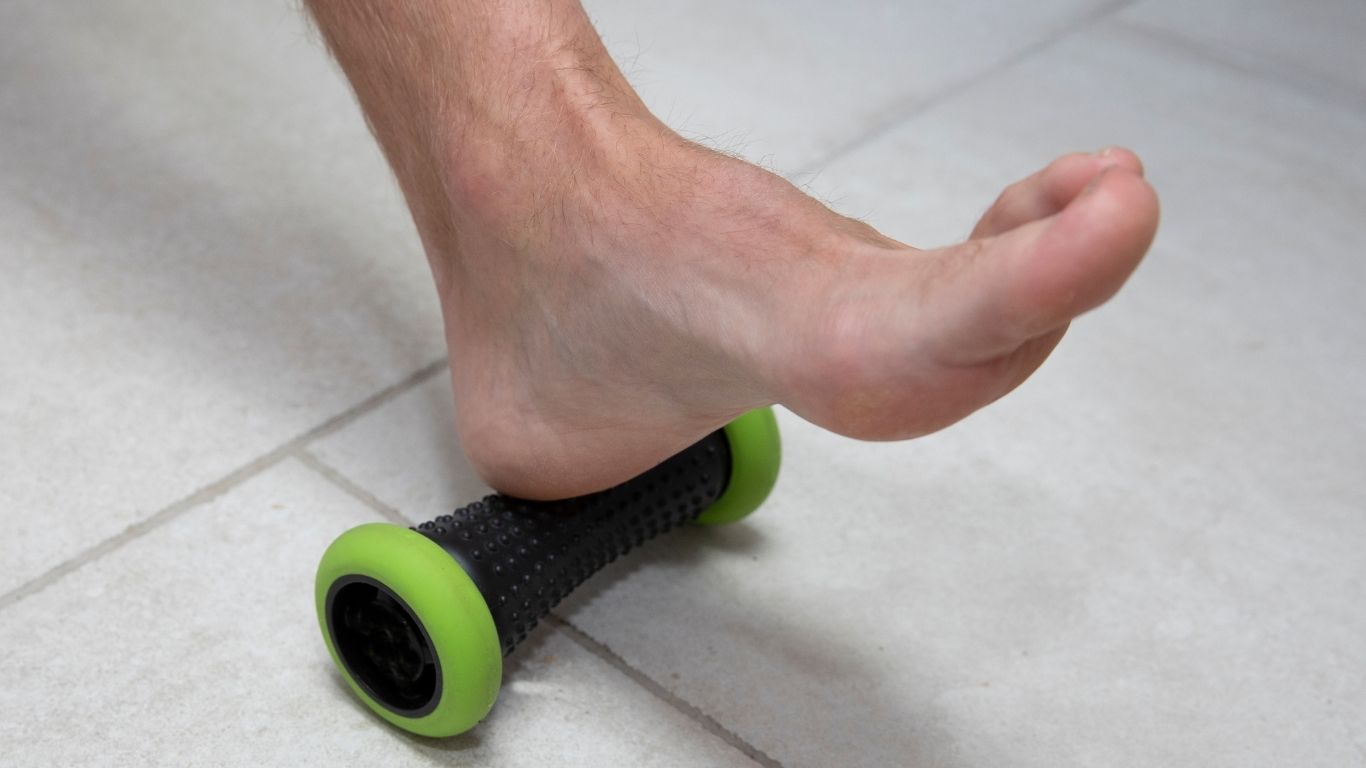
What People May Notice
Symptoms that appear during or after gym sessions are often the first indication that foot load is exceeding what the tissues can comfortably absorb. Common patterns include:
- Heel pain that appears after workouts or the following morning
- Pain during or after weight-bearing exercises such as squats, lunges, or deadlifts
- Soreness or a burning sensation under the ball of the foot during or after impact-based exercises
- Pain with jumping movements or when pushing off through the toes
- General aching through the feet after training sessions that is more than typical post-exercise fatigue
- Stiffness or discomfort the day after a heavy session that does not fully resolve before the next workout
What May Help
The right approach depends on which structures are being overloaded and what is driving that load. General strategies that are often relevant include:
- Gradual progression in training load — building volume and intensity incrementally to allow the foot tissues to adapt without becoming overloaded
- Proper footwear selection — choosing gym shoes suited to the type of training, with appropriate cushioning and stability for the exercises performed most frequently
- Technique improvement — ensuring exercises are performed with good form to distribute load evenly through the foot and lower limb
- Adequate rest and recovery — allowing sufficient time between sessions, especially when early symptoms are present, to avoid cumulative tissue overload
- Strengthening and mobility work — addressing calf tightness, ankle stiffness, and foot and lower limb weakness that may be contributing to how load is absorbed during exercise
When to See a Podiatrist
Some symptoms are worth getting assessed rather than training through:
- Foot pain that has persisted for more than a few days and is not settling with reduced training load
- Symptoms that are worsening despite modifying your workouts
- Difficulty performing exercises comfortably, or pain that is affecting movement patterns and technique
- Recurring pain in the same location that returns each time training is resumed — suggesting an underlying mechanical issue that is not resolving on its own
Podiatry for Gym-Related Foot Pain in Craigieburn and Gladstone Park
Medifoot Clinic works with active people across Craigieburn, Gladstone Park and the surrounding Melbourne North suburbs who are experiencing foot pain related to gym training and exercise. Whether you are dealing with heel pain after workouts, soreness under the forefoot, or discomfort that is affecting your ability to train, we can help identify the cause and reduce pain.
Our assessments focus on understanding how the foot is loading during the activities causing symptoms and identifying the specific factors contributing to pain. From there we work with you to put a practical plan in place that supports your training goals and allows you to return to exercise safely.
Book a Foot Assessment
If foot pain is affecting your gym training, do not wait for it to become a bigger problem. Medifoot Clinic provides podiatry assessments at our Craigieburn and Gladstone Park locations.
Related Conditions
Gym-goers commonly present with one or more of these conditions depending on training type, footwear, and foot biomechanics. Each page has more detail on causes, symptoms and management.